


Solid State Device
A solid-state drive (SSD) is a data storage device that uses solid-state memory to store persistent data with the intention of providing access in the same manner of a traditional block i/o hard disk drive.
SSDs are distinguished from traditional hard disk drives , which are electromechanical devices containing spinning disks and movable read/write heads. SSDs, in contrast, use microchips which retain data in non-volatile memory chips and contain no moving parts.
Compared to electromechanical HDDs, SSDs are typically less susceptible to physical shock, quieter, and have lower access time and latency.
SSDs use the same interface as hard disk drives, thus easily replacing them in most applications.
Most SSDs use NAND-based flash memory, which retains memory even without power.
SSDs using volatile random-access memory also exist for situations which require even faster access, but do not necessarily need data persistence after power loss, or use external power or batteries to maintain the data after power is removed.
A hybrid drive combines the features of an HDD and an SSD in one unit. File recovery software can recover files from both SSD, HDD and hybrid drives
-
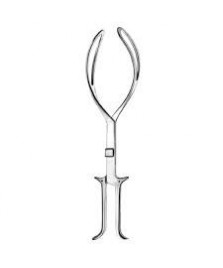
![Obstetrical Forceps]()
- New
Obstetrical Forceps
OBSTETRICAL FORCEPS
-
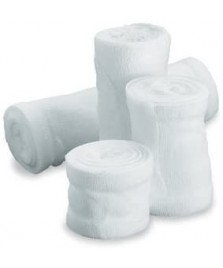
![Conforming Bandage]()
- New
Conforming Bandage
CONFORMING BANDAGE
-
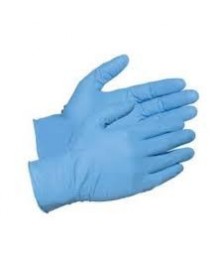
![Nitrile Disposable Gloves]()
![]()
- New
Nitrile Disposable Gloves
THE LIFECARE NITRILE DISPOSABLE GLOVES.
-
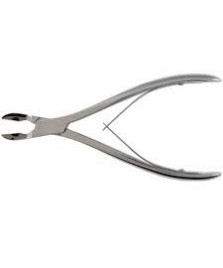
![Bone Cutting Forceps]()
- New
Bone Cutting Forceps
BONE CUTTING FORCEPS
-
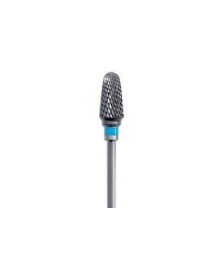
![Acrylic Timmer Burs]()
- New
Acrylic Timmer Burs
Acrylic Timmer Burs
Assorted Shapes
-
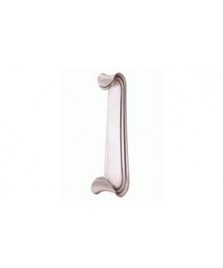
![Roux Retractos]()
- New
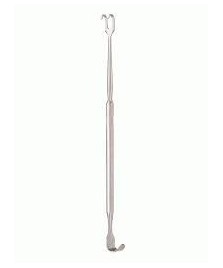
Roux Retractos
Roux Retractos
-
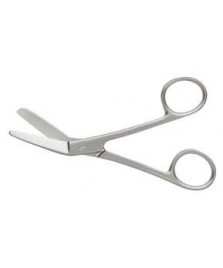
![Episiotomy Scissors]()
- New
Episiotomy Scissors
EPISIOTOMY SCISSORS
-
![Ptosis Forceps]()
- New
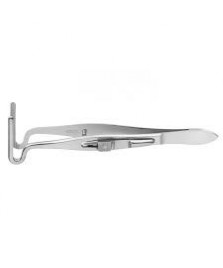
Ptosis Forceps
Ptosis Forceps
-
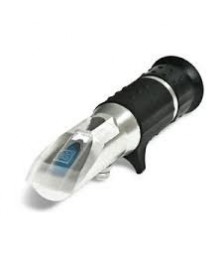
![Refractometers]()
- New
-
![Vectis Spoon Retractors]()
- New
Vectis Spoon Retractors
Vectis Spoon Retractors
-
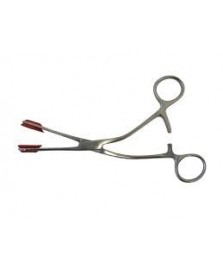
![Tongue Forceps]()
- New
Tongue Forceps
TONGUE FORCEPS
Products
Our company
payment method